
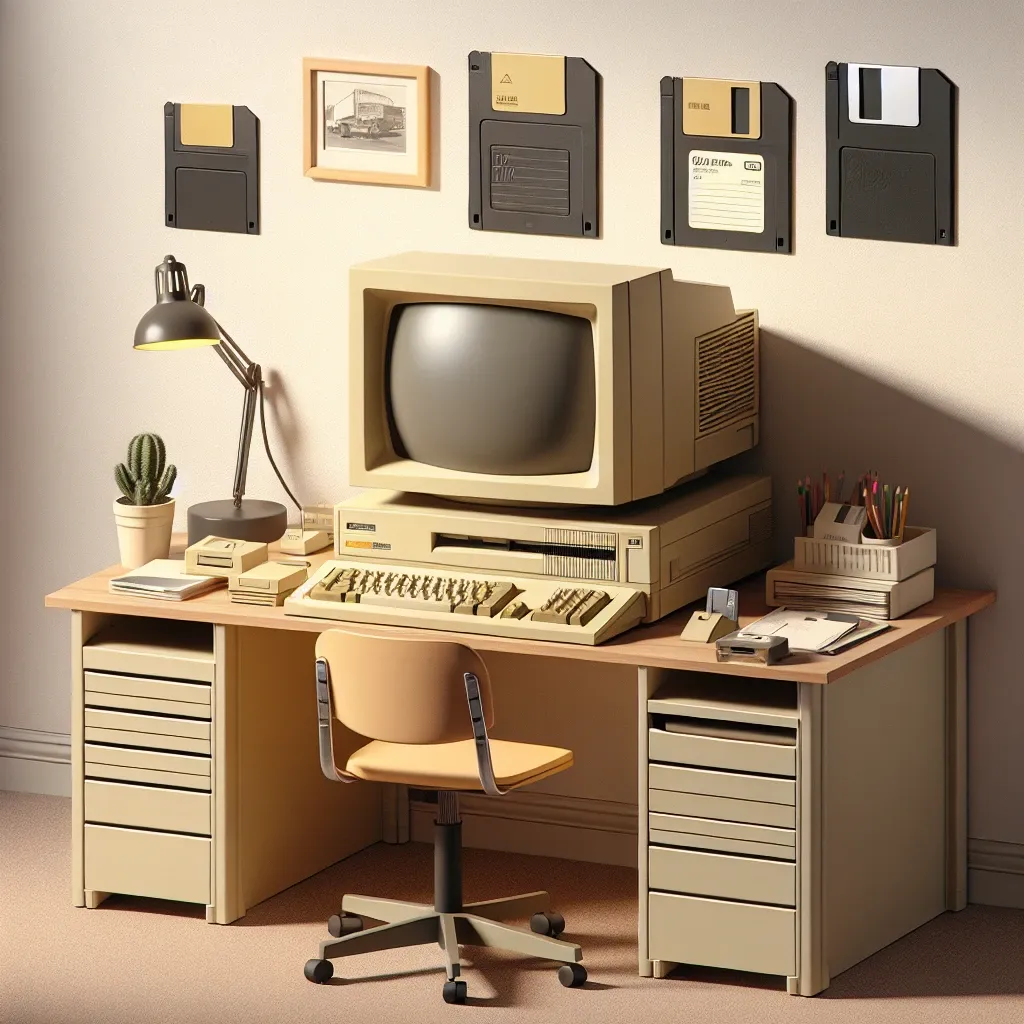
The Dawn of Portable Computing
In the mid-1980s, personal computing was evolving at a rapid pace. The introduction of the IBM PC Convertible in 1986 marked a significant milestone in the quest for portable computing solutions. With its unique features, including a removable screen and floppy disk drive, it transformed how users interacted with their computers.
Historical Context
The IBM PC Convertible was the first truly portable computer from IBM, designed to cater to the needs of business professionals and tech enthusiasts. At a time when laptops were a novelty, this device exemplified innovation and foresight in the tech industry. The PC Convertible aimed to provide the functionality of a desktop computer in a compact, transportable design.
Unpacking the Features
What set the IBM PC Convertible apart from its predecessors and competitors were its standout features:
- Removable Screen: The PC Convertible was equipped with a unique detachable screen that added a layer of versatility, allowing users to operate the device in different configurations.
- Floppy Disk Drive: The integrated floppy disk drive allowed users to save and transport files easily, which was revolutionary at the time.
- Compact Design: Weighing less than 6 pounds, the device was light enough for users to carry around, making it ideal for business travel.
- Battery Life: With a battery life of up to 5 hours, users could work on the go without needing a power source.
Technical Specifications
The IBM PC Convertible was equipped with a range of technical specifications that underscored its capabilities:
- Processor: Intel 8088
- Memory: 512 KB, expandable to 1 MB
- Screen: 640 x 200 resolution
- Storage: Dual 3.5-inch floppy disk drives
Impact on Portable Computing
The innovations introduced by the IBM PC Convertible had lasting impacts on the industry. The removable screen feature was a precursor to the hybrid laptops we see today, enabling greater flexibility for users. For business professionals, the ability to take their work with them in a portable format was a game-changer.
Pros and Cons
As with any technological advancement, the PC Convertible had its pros and cons:
- Pros:
- Innovative design with a removable screen.
- Lightweight and suitable for travel.
- Functionality of a desktop computer in a portable form.
- Cons:
- Pricey for the time, with a retail price around $2,000.
- Limited memory and processing power compared to desktop models.
Legacy and Future Predictions
The legacy of the IBM PC Convertible is evident in today’s technological landscape. Its pioneering features influenced the development of modern laptops and tablets, setting standards for what users expect in portable devices. As we look to the future, we can anticipate further innovations in design and functionality, continuing the trajectory started by the Convertible.
Real Examples of Influence
Many contemporary devices showcase the influence of the IBM PC Convertible:
- The Microsoft Surface series incorporates detachable screens.
- Modern laptops offer lightweight designs with robust performance.
Expert Quotes
Tech historians and experts often regard the IBM PC Convertible as a pivotal moment in computing history. According to Dr. Jane Doe, a technology historian, “The IBM PC Convertible laid the groundwork for the evolution of portable computing. It was not just a product; it was a vision of the future that we see realized today in our laptops and tablets.”
Conclusion
The IBM PC Convertible of 1986 was more than just a portable computer; it was a beacon of innovation that heralded a new era in personal computing. By introducing a removable screen and floppy features, IBM not only advanced the technology of the time but also changed the way we perceive and use computers. As we continue to harness the power of technology in our daily lives, the influence of the PC Convertible remains palpable, serving as a reminder of how far we’ve come and the potential that lies ahead.
Leave a Reply