
Introduction
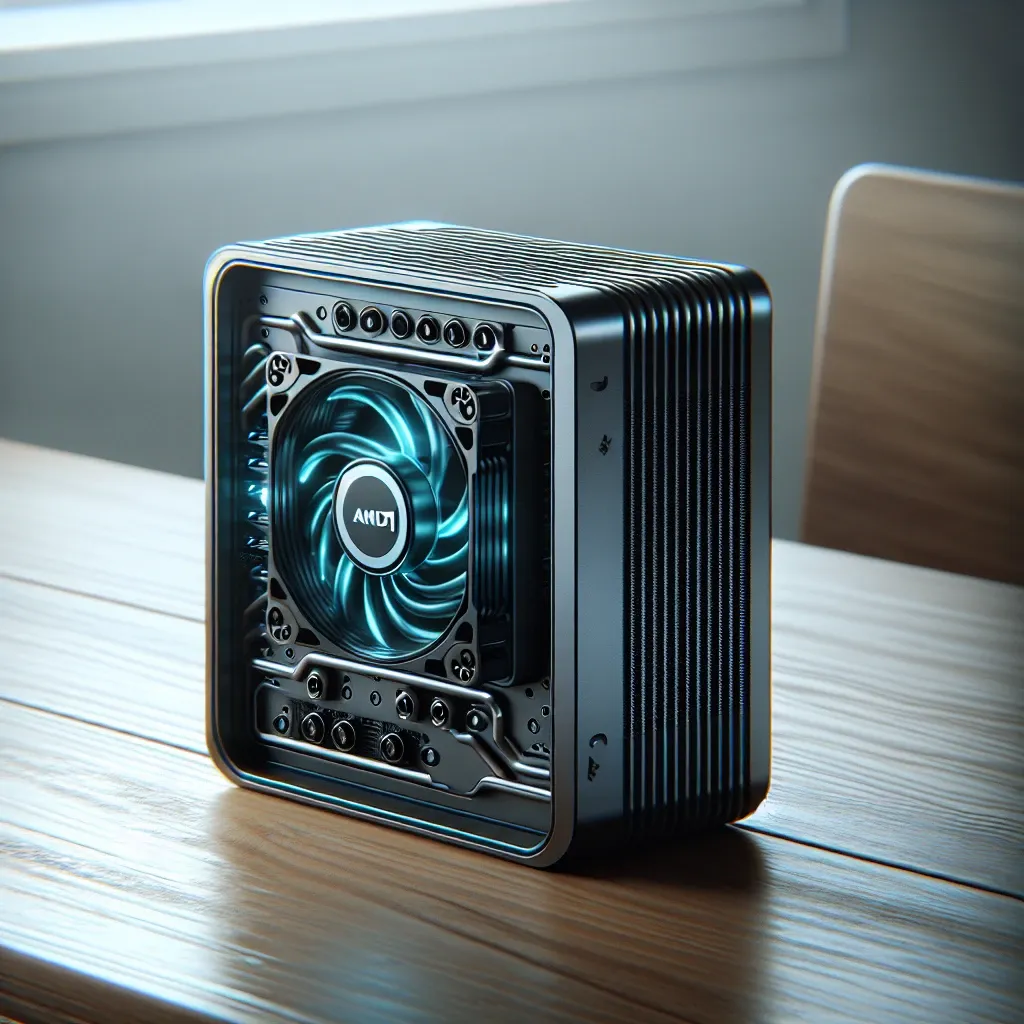
The world of computing is evolving at a rapid pace, and one of the most exciting advancements is the emergence of liquid-cooled mini-PCs equipped with AMD AI processors. As technology enthusiasts, gamers, and professionals seek compact yet powerful computing solutions, these devices are making a significant splash in the market. In this article, we’ll delve into the details of these innovative systems, examining their features, benefits, and potential impact on the computing landscape.
Understanding Liquid-Cooled Mini-PCs
Liquid cooling is not new to the realm of electronics; however, its application in mini-PCs marks a significant shift. Traditionally, larger systems utilized this cooling method to manage heat generated by high-performance components. Now, manufacturers are adapting this technology for compact systems, offering enhanced performance without the bulk of traditional cooling solutions.
What Are Mini-PCs?
Mini-PCs are compact desktop computers designed to deliver high performance while occupying minimal space. These devices are ideal for users who require powerful processing capabilities but prefer a smaller footprint. By integrating high-performance components like AMD AI processors, manufacturers are creating systems that meet the demands of modern computing.
Benefits of Liquid Cooling
- Improved Performance: Liquid cooling allows systems to maintain lower temperatures, enabling AMD AI processors to run at higher speeds without throttling.
- Quieter Operation: Liquid cooling systems often operate more quietly than traditional air cooling, providing a better user experience.
- Space Efficiency: By utilizing liquid cooling, mini-PCs can be designed with smaller and more efficient air intakes and exhausts.
- Longevity: Lower operating temperatures can prolong the lifespan of components, translating to greater reliability over time.
The Role of AMD AI Processors
AMD has established itself as a leader in the field of artificial intelligence processors, leveraging its expertise in high-performance computing to create chips that excel in AI workloads. These processors are optimized for tasks that require significant computational power, making them well-suited for a variety of applications, from gaming to data analysis.
Features of AMD AI Processors
- High Core Count: AMD processors typically come with a higher number of cores, allowing for better parallel processing capabilities.
- Advanced Technologies: They incorporate cutting-edge technologies such as machine learning capabilities, enabling them to handle AI tasks efficiently.
- Energy Efficiency: AMD’s commitment to energy-efficient designs ensures that these processors provide sustainable performance without excessive power consumption.
Current Market Trends
As liquid-cooled mini-PCs featuring AMD AI processors make their way into the U.S. market, several trends are emerging:
1. Growing Demand for Compact Solutions
With urban living spaces becoming increasingly limited, consumers are gravitating towards compact computing solutions that do not compromise on performance.
2. Increased Interest in Gaming and Content Creation
The rise of online gaming and content creation has driven demand for high-performance systems. Liquid-cooled mini-PCs can cater to gamers and creators who require powerful hardware in a small package.
3. Enhanced AI Capabilities
As businesses and individuals increasingly leverage AI for various applications, the need for systems capable of handling complex AI workloads is on the rise. AMD’s AI processors are well-positioned to fulfill this demand.
Real-Life Applications
Liquid-cooled mini-PCs with AMD AI processors are already being utilized in various fields:
1. Gaming
Gamers are always seeking the best performance, and liquid-cooled mini-PCs can deliver that in a compact form factor. These systems can run the latest games at high settings while maintaining optimal temperatures.
2. Content Creation
Video editing, 3D rendering, and graphic design require substantial computing power. Liquid-cooled mini-PCs can assist content creators in achieving their goals efficiently.
3. AI Research and Development
Researchers in artificial intelligence can leverage these powerful systems to develop and test algorithms, pushing the boundaries of what is possible in AI technology.
Future Predictions
The outlook for liquid-cooled mini-PCs with AMD AI processors is promising:
1. Continued Innovation
As technology evolves, we can expect ongoing advancements in both cooling solutions and processing power. Future iterations of these mini-PCs may feature even more efficient liquid cooling systems and enhanced AI capabilities.
2. Broader Adoption Across Industries
As awareness of the benefits of compact, high-performance systems grows, more industries are likely to adopt these technologies for a variety of applications.
3. Environmental Considerations
With a focus on sustainability, manufacturers may prioritize energy-efficient designs and materials in future models of liquid-cooled mini-PCs.
Conclusion
The introduction of liquid-cooled mini-PCs with AMD AI processors marks a revolutionary step in the world of computing. By combining powerful performance with space-saving designs, these systems are set to transform the way we approach technology in both personal and professional settings. As we look to the future, the potential applications and innovations stemming from this development are boundless, paving the way for a new era of computing.
Leave a Reply